
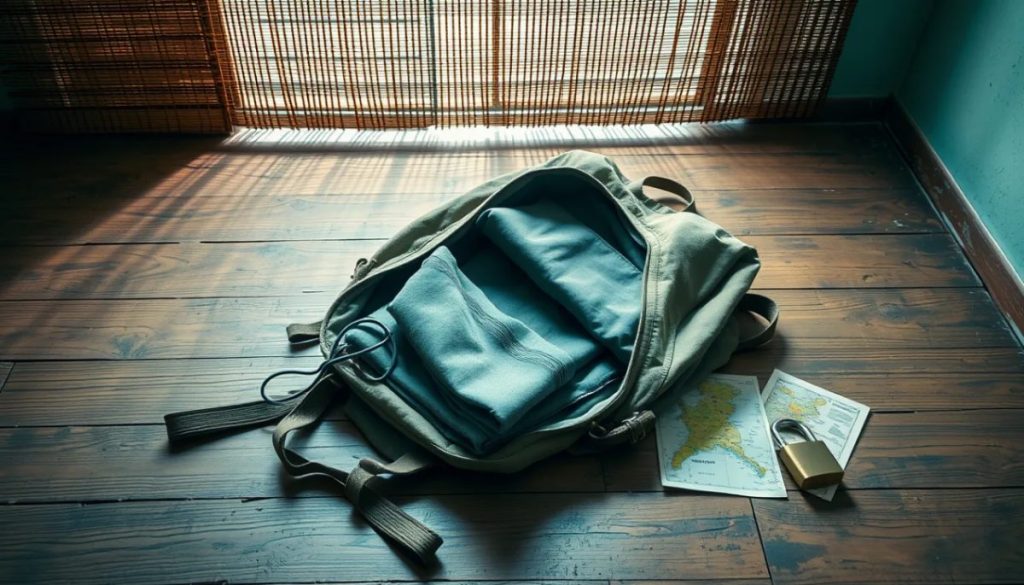
The sleeper bus pulls out at dusk, your bag is stowed underneath, and the road ahead climbs through mountains. Most Southeast Asian mishaps come from ordinary moments like this: a rented scooter, a taxi, a border post, a too-cheap ticket. Here are the questions travelers ask most, with answers.
What is the biggest real risk?
It is the road, not crime. Road safety is statistically the biggest risk for travelers in the region, and the World Health Organization lists it among those with the highest road fatality rates, with motorcycles the leading cause.
If you have never ridden at home, don’t learn here. If you do rent, carry the correct motorcycle license and an International Driving Permit, confirm your insurance covers riding, and use a certified helmet. Island roads add sand and gravel, and rental helmets are often poor.
How do motorbike rental disputes happen?
Shops sometimes demand payment for damage that was already there. In some cases a bike is taken while parked, and the renter is then billed for the “stolen” machine.
Photograph or video every scratch before leaving, and get the owner in the shot if you can. Don’t leave your passport as a deposit. Park in busy, visible spots and lock the bike.
Are overnight buses and minivans safe?
Standards vary widely. Common problems include speeding on mountain roads, tired drivers and bags going missing from the luggage hold. Keep your passport, phone, cash and cards in a day pack that stays with you.
Be suspicious of tickets that are far cheaper than the rest. On some border-bound buses, the driver stalls until the checkpoint closes, and passengers are then steered to a guesthouse. Public buses, or private buses used by locals as well as tourists, are the safer bet.
What about taxis and border crossings?
A typical taxi trick is a “broken” meter and a flat fare far above the metered price. Agree on the fare or insist on the meter before you get in. If a driver says your temple or hotel is closed or full, refuse the ride and find another.
Many land crossings between Cambodia, Thailand, Laos and Vietnam are known for scamming travelers. Beware of unofficial agents who charge for visa help. Check the visa process on the official immigration website of the country you are entering.
How do you handle money and fake offices?
- Withdraw cash from ATMs at banks rather than isolated machines, since skimming devices are common on isolated ATMs.
- Carry small notes and count your change, especially with high-denomination currencies such as the Vietnamese dong.
- Fake “tourist information offices” may send you to businesses that overcharge or take payment for bookings that don’t exist. Confirm bookings directly.
- Pay for tours by card where possible, so you have a route to a refund.
What if something goes wrong?
Walk away from any pressure, whether a taxi, a shop or a border fixer. Keep copies of your passport and insurance details. For theft or a serious dispute, file a police report, which your insurer will need, and contact your embassy if documents are lost.